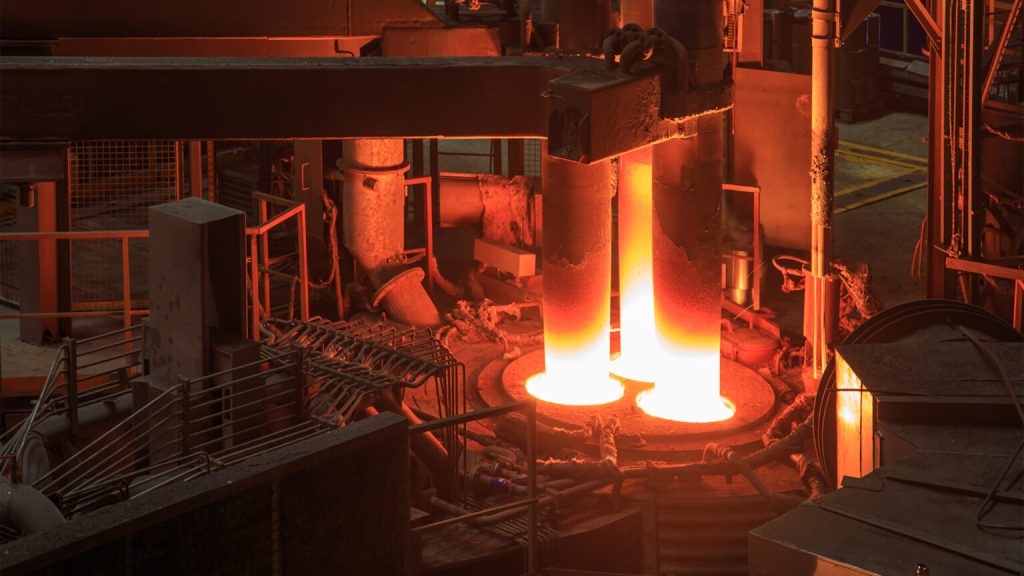
Carbon is used throughout steel and metallurgy as a reductant, fuel, and processing agent.
Our biocarbon is a direct drop-in replacement for met coal, coke, anthracite, and petroleum coke, requiring minimal process changes and capital investment.
Metallurgical performance
Our biocarbon is tailored to match the chemical specifications, density, and reactivity behavior of the fossil carbon it replaces, refined through progressive trials of increasing volumes carried out with customers.
Minimal capital investment in new equipment is required to integrate biocarbon into blast furnace, EAF, submerged arc furnace, and other operations. Biocarbon can be blended with existing fossil carbon inputs for incremental adoption.
Insulated pricing and stable supply
Biocarbon production draws on regional biomass sources and multiple feedstock origins, creating localized supply chains that operate independently of coal and coke commodity markets.
Long-term offtake contracts provide pricing stability that is insulated from the supply chain disruptions and geopolitical pressures that have driven fossil carbon volatility in recent years.
Zero emissions premium
Biogenic carbon is zero-rated under emissions trading systems, which means the delivered cost advantage over fossil carbon strengthens as carbon pricing mechanisms like ETS, CBAM, and JCM tighten globally.
On the output side, biocarbon-produced metals command price premiums from OEMs and end-users working toward Scope 3 reduction targets, turning a cost input into a value differentiator.
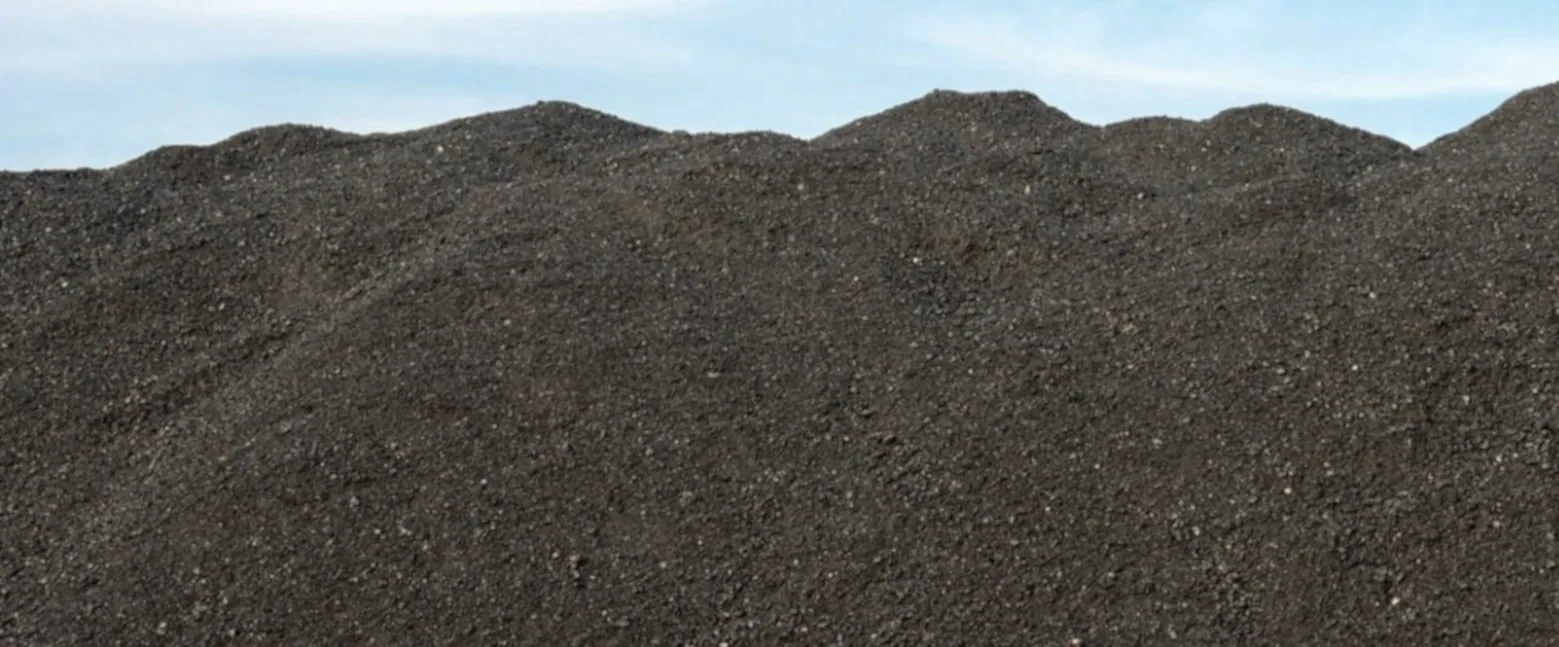
Biocarbon replaces fossil carbon across the value chain
Reductants
Direct substitute for coke, anthracite, and petroleum coke in submerged arc furnaces, blast furnaces, and electric arc furnaces. Used in silicon, manganese, and chromium smelting, and in iron ore reduction.

Injection and charge carbon
Pulverized or granular biocarbon for blast furnace tuyere injection and EAF charge carbon. Supports slag foaming, carbon correction, and energy input in steelmaking operations.

Carburizers
Carbon addition for foundry and steelmaking applications where precise carbon content control is required in the final metal product.
We work with customers to develop custom form factors and agglomeration approaches for specific furnace conditions and material handling systems.
Of global CO₂ emissions from iron, steel, and metals production
Drop-in biocarbon addresses this by replacing fossil carbon inputs while maintaining the same metallurgical performance.
Even as the industry transitions to electric arc furnaces, hydrogen-DRI, and other new production routes, solid carbon inputs remain essential.
As carbon pricing mechanisms expand globally, the economic case for substitution strengthens alongside the environmental one.
Available specifications
Drawing on tens of thousands of tonnes of active production across multiple feedstocks and origins.
Our projects process a range of forestry and agricultural feedstocks. Fixed carbon and volatile matter are adjustable via process parameters. Physical form, sizing, and bulk density are tailored via agglomeration to match specific furnace requirements and material handling systems.
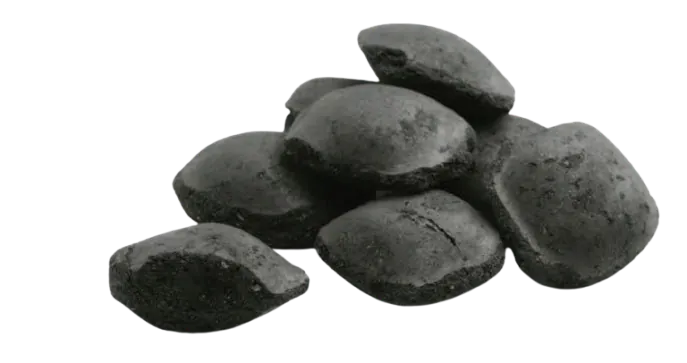
Committed to leading sustainability and chemical safety standards





Frequently Asked Questions
Can metallurgical biocarbon replace fossil carbon inputs in EAF steel production?
Yes. Metallurgical biocarbon can replace petroleum coke, metallurgical coke, and coal injection in steel and ferroalloy production at varying substitution ratios depending on furnace type and metal product. PyroCCS biocarbon is engineered as a drop-in substitute for fossil carbon in electric arc furnace (EAF), blast furnace, and submerged arc furnace operations, with minimal process changes and no significant capital investment required. Substitution rates of up to 100% have been demonstrated for certain applications, while partial substitution is common in others.
What are the typical specifications of PyroCCS biocarbon?
Specifications vary by feedstock and intended application. Fixed carbon content typically ranges from 75 to 90 percent, with low ash and volatiles. Detailed specification sheets are available on request via the technical documentation flow.
Can you supply industrial volumes consistently?
PyroCCS operates a vertically integrated production network with deployments across Africa, Europe, South and Southeast Asia, and the Americas. We have over 50,000 tonnes of production available per annum, scaling quickly. Volume commitments are structured as long-term offtake agreements.
Is metallurgical biocarbon eligible for green steel and low-carbon procurement?
Yes. Metallurgical biocarbon is biogenic carbon and qualifies as a fossil-fuel substitute under most green steel and low-carbon procurement frameworks. We provide chain-of-custody and lifecycle documentation to support customer reporting requirements.
How does biocarbon affect overall steel emissions?
Substituting fossil metcoke with biogenic biocarbon reduces Scope 1 emissions from carbon inputs proportionally to the substitution rate. Combined with biomass lifecycle accounting, biocarbon enables meaningful emissions reductions in hard-to-abate metallurgical processes.
Talk to our team
Reach out to discuss product specifications, test results, and supply terms.